
Choice Digital Launches the Choice Suite, Putting Payout Choice in Recipients' Hands

Learn more
Guide · 

The True Cost of Traditional Payment Issuance

By: Jay Grinde, Chief Executive Officer & Co-Founder at Choice Digital
True Cost of Traditional Payment Issuance

True Cost of Traditional Payment Issuance

Take the PDF with you

Introduction

The Case for Modernizing Payments in Utilities

As the utility sector navigates an increasingly complex landscape, CFOs must balance financial stewardship, regulatory demands, and strategic initiatives that promote operational efficiency and customer satisfaction. Mandates surrounding decarbonization, grid modernization, and equitable service delivery push utilities to evolve. At the heart of this transformation, modernizing payment systems presents an opportunity that aligns with broader utility objectives — yet it is often overlooked.

Legacy payment methods, such as issuing checks and applying bill credits, come with hidden financial and operational costs that inhibit utilities from fully executing today’s top priorities. Beyond direct costs, outdated payment processes negatively impact customer trust and satisfaction, a vital element in a competitive environment that increasingly values customer experience.

This paper outlines why modernizing payment systems is crucial for utility CFOs. Not only does it lead to significant cost reductions and operational efficiencies, but it also supports utilities in achieving their strategic priorities — enhancing sustainability, improving customer engagement, and promoting financial inclusivity. For CFOs, this modernization isn’t just about trimming operational fat; it’s about aligning payment strategies with long-term financial and customer service goals.


The Hard Costs of Traditional Payment Issuance

Payment Issuance and Management

The cost of issuing paper checks is often underestimated. Research from the Association for Financial Professionals (AFP) indicates that the average cost of issuing a check ranges from $4 to $20, depending on the complexity of the transaction and the organization’s efficiency in managing payment processes. These costs include labor, materials, postage, and bank fees, as well as the indirect costs associated with check processing errors and fraud.

Escheatment management adds another layer of cost. According to the National Association of Unclaimed Property Administrators (NAUPA), unclaimed property, often in the form of uncashed checks, requires utilities to maintain detailed records and comply with varying state laws, which can be both time-consuming and costly. Non-compliance can result in penalties, further increasing the financial burden on utilities.

Managing bill credit disbursements can impose significant hard costs on utilities, often overlooked in favor of focusing on operational efficiency. Each bill credit, while seemingly straightforward, requires a considerable investment in processing infrastructure. The costs include maintaining software systems to track and apply credits accurately, ensuring data security, and managing compliance with various regulatory standards. These systems need constant updates and monitoring to prevent errors, fraud, or data breaches, each of which adds to operational expenditures. Moreover, the manpower required to reconcile accounts, handle disputes, and provide customer service around these credits creates further overhead, increasing labor costs.

Check Fraud and Its Hidden Costs

The persistent threat of check fraud further inflates costs. Nasdaq Verafin reports that check fraud led to over $33.6 billion in losses in 2025 alone. Investigating fraudulent checks, issuing replacements, and handling disputes drain time and resources from both utilities and customers, adding both direct and indirect financial burdens. Transitioning to secure, digital payment methods can significantly reduce these risks, offering a more controlled and transparent payment experience.

Alternatives: Representative Cost Models of Different Payment Types 

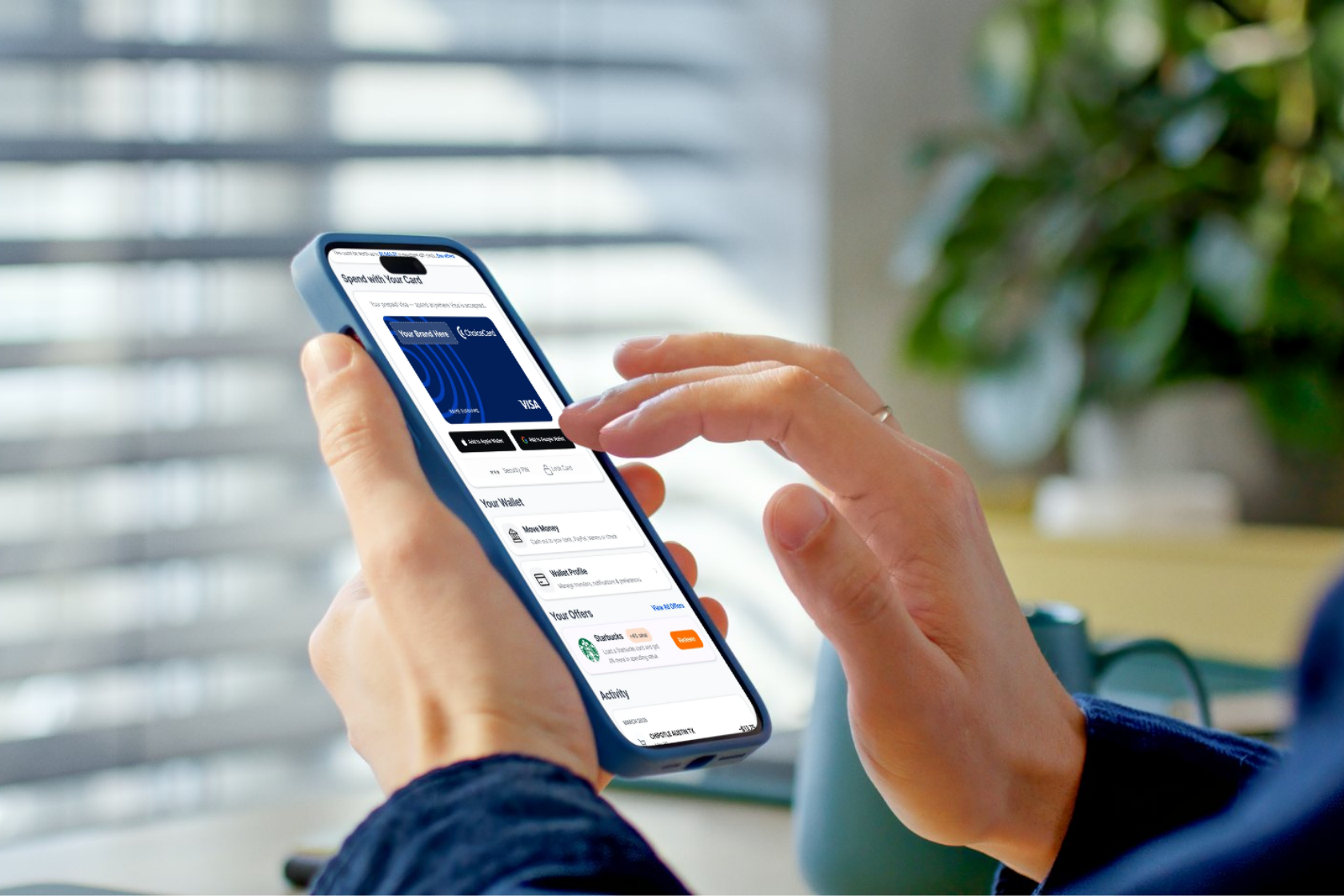
In contrast to traditional methods, electronic payments such as PayPal/Venmo and prepaid cards offer a more cost-effective solution. Choice Digital customers often present modern payment types like this and pay significantly less than the cost of issuing a check. Beyond cost savings, electronic payments also create opportunities for utilities to generate additional revenue through various levers like interchange fees, which are a standard component of card-based payments.


Internal Costs: Inefficiencies in Payment Processes

Lack of Automation and Transparency 

Many utilities rely on outdated systems that lack the automation and up-to-date visibility needed for efficient financial management. Utilities using Choice Digital see 40% fewer support calls. In addition to reducing labor costs, automation enhances transparency, enabling utilities to track payments and quickly resolve customer inquiries. 

Outdated payment systems also hinder customer service operations. Without accurate data, call center agents are unable to efficiently address customer questions, leading to longer call handling times and increased operational costs. The average utility call center inquiry costs $8 to $20 per interaction, and when multiplied across hundreds or thousands of customers, these costs become significant. 

Manual Processing and Staffing Overhead

The reliance on manual payment processes necessitates a larger workforce, which drives up payroll expenses. Every check printed, reissued, or reconciled adds staff hours that automation can return to higher-value work. Automating bill credits can also reduce the surge of customer service calls that follow a credit cycle when customers misinterpret fluctuations in their bills as errors or overcharges.

Diluting Program Efficacy 

Moreover, bill credits diminish the psychological impact of customer incentives. Instead of offering a distinct, memorable reward, bill credits are absorbed into routine billing, diluting their perceived value. This approach not only weakens customer engagement but also undermines satisfaction and loyalty.


Customer Costs: The Burden of Traditional Payments

The Cost of Cashing Checks 

A paper check doesn’t reach every customer at full value. According to Choice Digital’s State of Energy Payments survey,  41% of energy consumers said they have paid fees to cash a check. Those fees fall hardest on low-to-moderate-income (LMI) and underbanked households, the same customers many utility programs are designed to help. Offering digital payout options lets every customer receive the full amount, in the way that works best for them.

Delayed Access to Funds and Bill Credits 

Bill credits, while convenient for utilities, can create financial hardships for customers. Many rely on immediate access to funds to cover essential expenses. According to LendingClub and PYMNTS, roughly 62% of U.S. households report living paycheck to paycheck.

Delayed access to funds often leads to financial strain, particularly for financially insecure households. This frustration increases customer dissatisfaction and drives unnecessary call center traffic. 

Lost and Stolen Checks 

Lost or stolen checks represent yet another challenge for utilities and their customers. The U.S. Postal Service reported over 800,000 mail theft complaints from 2023 to 2025. When a rebate or refund check goes missing, the utility has to verify, void, and reissue it while the customer waits. Digital payouts skip the mail entirely, with ensured delivery and a clear record of every payment.


Regulatory and Strategic Pressures

Utility regulators are increasingly focused on equitable payment solutions, particularly for underserved LMI customers. In July 2026, Illinois passed a law allowing low-income discounts on residential electric and gas bills. Virginia requires at least 15% of utility energy efficiency program costs to benefit low-income, elderly or disabled customers, and veterans.

Additionally, regulatory bodies like the Federal Energy Regulatory Commission (FERC) and Public Service Commissions (PSCs) are emphasizing transparent and equitable payment practices. As equity commitments grow, the way a utility delivers rebates, refunds, and incentives becomes part of how well it serves these customers. Offering payout choice, including options that don’t require a bank account, gives utilities a clear way to show progress to their public service commissions.


Missed Opportunities for Enhancing the Customer Experience

Traditional payment methods, such as paper checks or bill credits, not only carry operational inefficiencies but also represent missed opportunities to enhance the customer experience. In an era where digital interactions are becoming the norm, offering modern payment options can greatly improve customer satisfaction. In Choice Digital’s State of Energy Payments survey, 74% of energy consumers said they are more likely to participate in a program when their preferred payment method is available. Options like PayPal/Venmo or digital cards are faster, more transparent, and align with customers’ evolving expectations for convenience and control in managing their bills.

This boost in customer satisfaction has a tangible financial impact for utilities. Customer satisfaction is often directly correlated with key financial metrics, such as return on equity (ROE). As satisfaction increases, so do customer trust and engagement. Utilities that prioritize modern, customer-centric payment solutions can capitalize on this correlation by not only improving their customer experience but also strengthening their financial performance. In a competitive market, lagging in customer experience metrics can also lead to decreased engagement and diminished regulatory or investor confidence, further affecting long-term financial health. In short, payments are not just a transactional necessity — they are a critical touchpoint that can drive both customer loyalty and financial success. 


Conclusion: A Strategic Imperative for CFOs

Traditional payment methods may seem like a minor operational detail, but their true costs are substantial. From direct issuance expenses to internal inefficiencies and customer dissatisfaction, legacy payments hold utilities back. Modernizing payment systems not only reduces costs but also supports key strategic initiatives like enhancing customer experience, improving regulatory compliance, and driving financial performance. For utility CFOs, the time to act is now. By embracing digital, customer-centric payment solutions, utilities can align financial operations with the demands of a rapidly evolving industry, positioning themselves for long-term success.

More to read