The three levers aren’t abstract. Each traces back to a measured outcome.
1. Choice. No single method serves every customer: 88% would be more satisfied with their utility if given a choice of payout method.
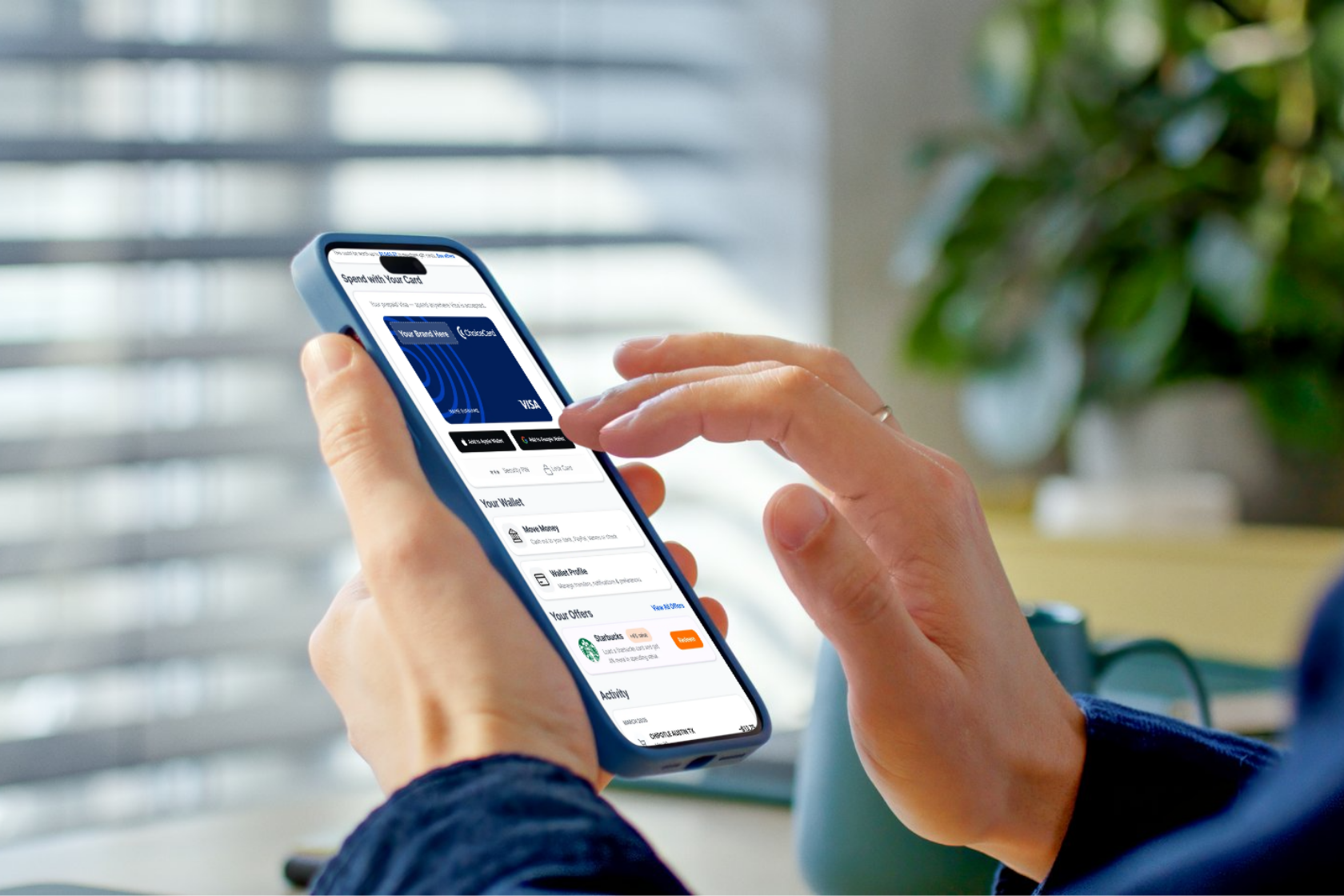
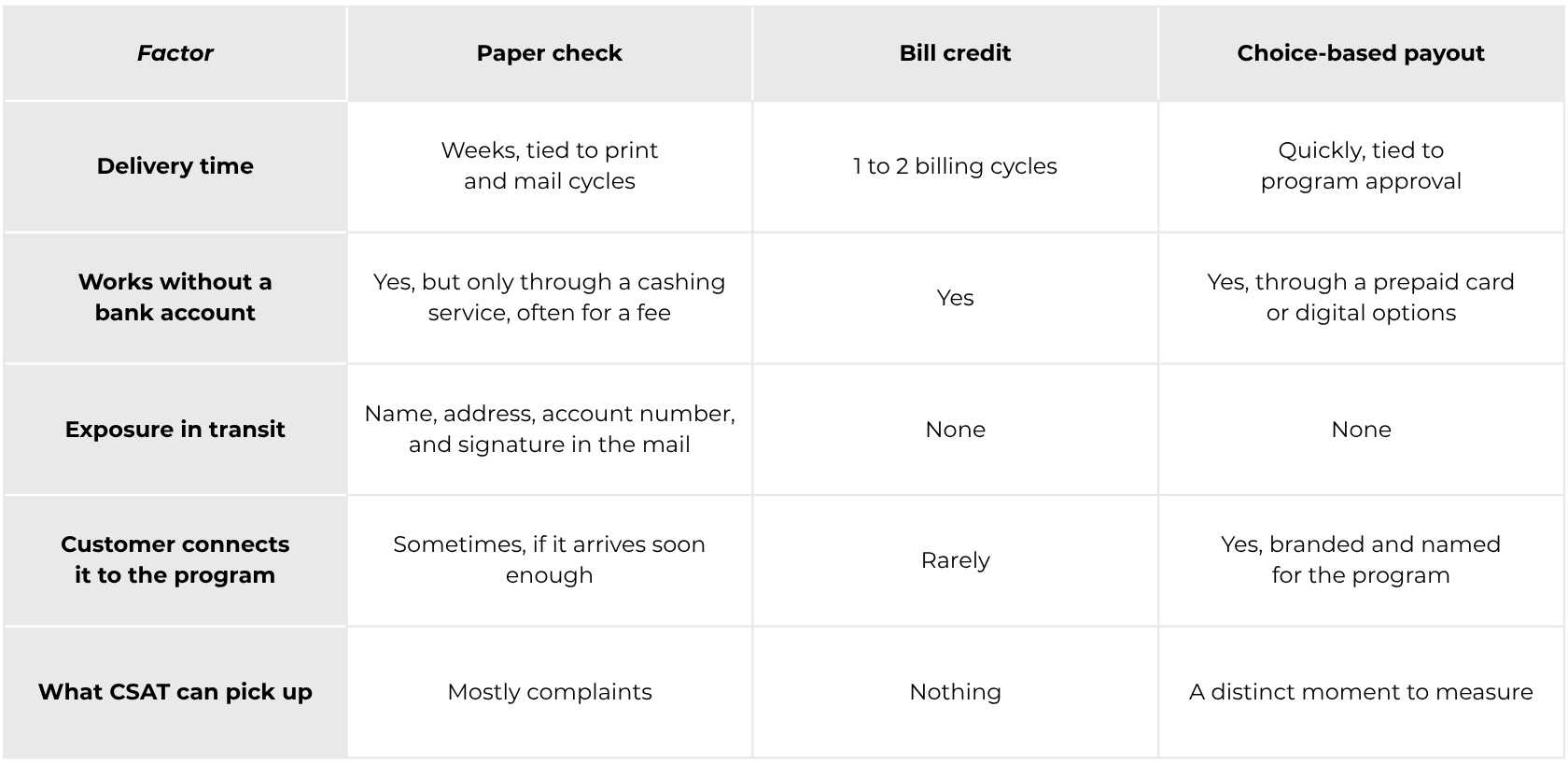
Picture three customers who each earned a $250 energy efficiency rebate: The first wants it in PayPal, the second needs a prepaid card because they don’t have a bank account, and the third is comfortable with an ACH transfer. However well-intentioned, your single default paper check is underserving all three of them.
Choice doesn’t mean an endless list, though. A handful of different options, sized to the program and the payout amount, works better than a big catalog. For a closer look at how to size that mix, see How Many Payout Options Should You Offer Recipients?
2. Speed. The payout confirms the utility held up its end: 70% say getting the payout quickly is important, and 74% are more likely to participate in a program when their preferred payment is delivered quickly. When a customer enrolls in demand response or submits proof for an energy efficiency rebate, the payout is what confirms the deal.
Kaitlin Woolley and Ayelet Fishbach found that earlier rewards increase motivation. During this study, the researchers compared the timing versus the size of a reward. They found that an immediate bonus led to a 35% increase in the number of people continuing to perform an activity, whereas a larger reward only led to a 19% increase. This suggests that timing may matter more for intrinsic motivation than size, directly impacting interest and behavior.
For a utility, that can be the difference between a customer who enrolls in several programs and one who doesn’t. A fast payment ties the reward to the action that earned it, and a customer who feels that connection has a reason to say yes to the next offer.
3. Visibility. The lever that works before the payment exists: 74% say they’d be more likely to participate in a program if they knew their desired payment method was available before enrolling.
This is the easiest lever to miss because it acts before a single payment goes out. If the enrollment page, the program email, and the contractor’s pitch don’t mention payout options, the choice isn’t doing any work yet. Making payout choice part of the program’s upfront marketing, not something customers discover at redemption, is what turns it into measurable participation lift.