
Choice Digital Launches the Choice Suite, Putting Payout Choice in Recipients' Hands

Learn more
Answers · 

Digital Disbursement Platform FAQs

Choice Digital Answers
Icon - Blue on White

What are payouts and digital disbursements?

What are digital disbursements?

Digital disbursements are payments an organization sends to people electronically instead of by paper check: rebates, refunds, royalties, settlement awards, claims, incentives, and rewards delivered by prepaid card, PayPal, Venmo, bank transfer, gift card, or digital wallet. Most programs keep a check available for recipients who want one. Digital disbursements can reach recipients in minutes instead of weeks, cost less to issue, and can be tracked from issued to claimed.

What is the difference between a payout and a disbursement?

Payouts and disbursements mean almost the same thing, and the terms overlap. "Disbursement" usually describes an organization distributing funds for a defined purpose, such as a rebate, refund, royalty, or court-approved settlement. "Payout" usually describes the payment from the recipient's side — the money a person receives and how they receive it. Choice Digital uses both, because a good program has to work for the organization sending funds and for the person receiving them.

What is a recipient-choice payout, and how does payout choice work?

A recipient-choice payout lets the person being paid select how they receive their money from the methods a program has enabled. Instead of mailing everyone a check, the program sends a secure link and the recipient picks a prepaid card, PayPal, Venmo, bank transfer, or another supported option. On Choice Digital, this is ChoiceLink: a payout link that turns one payment into a multi-method payout, with the recipient picking the method. Recipient choice matters because no single payout method suits an entire population, and a method a recipient does not want is a method they are slower to claim.

What is a payout link?

A payout link is a secure, single-use link sent by email that lets a recipient claim a payment and choose how to receive it. Instead of collecting bank details or mailing a check, the program sends one link; the recipient opens it, picks a prepaid card, PayPal, Venmo, bank transfer, gift card, or check from the methods the program enabled, and the funds go out that way. ChoiceLink is Choice Digital's payout link. Links can be branded to the program, require email verification before claiming, and expire on a schedule the program sets, with unclaimed funds returned to the program.

What is a branded digital wallet for recurring payouts?

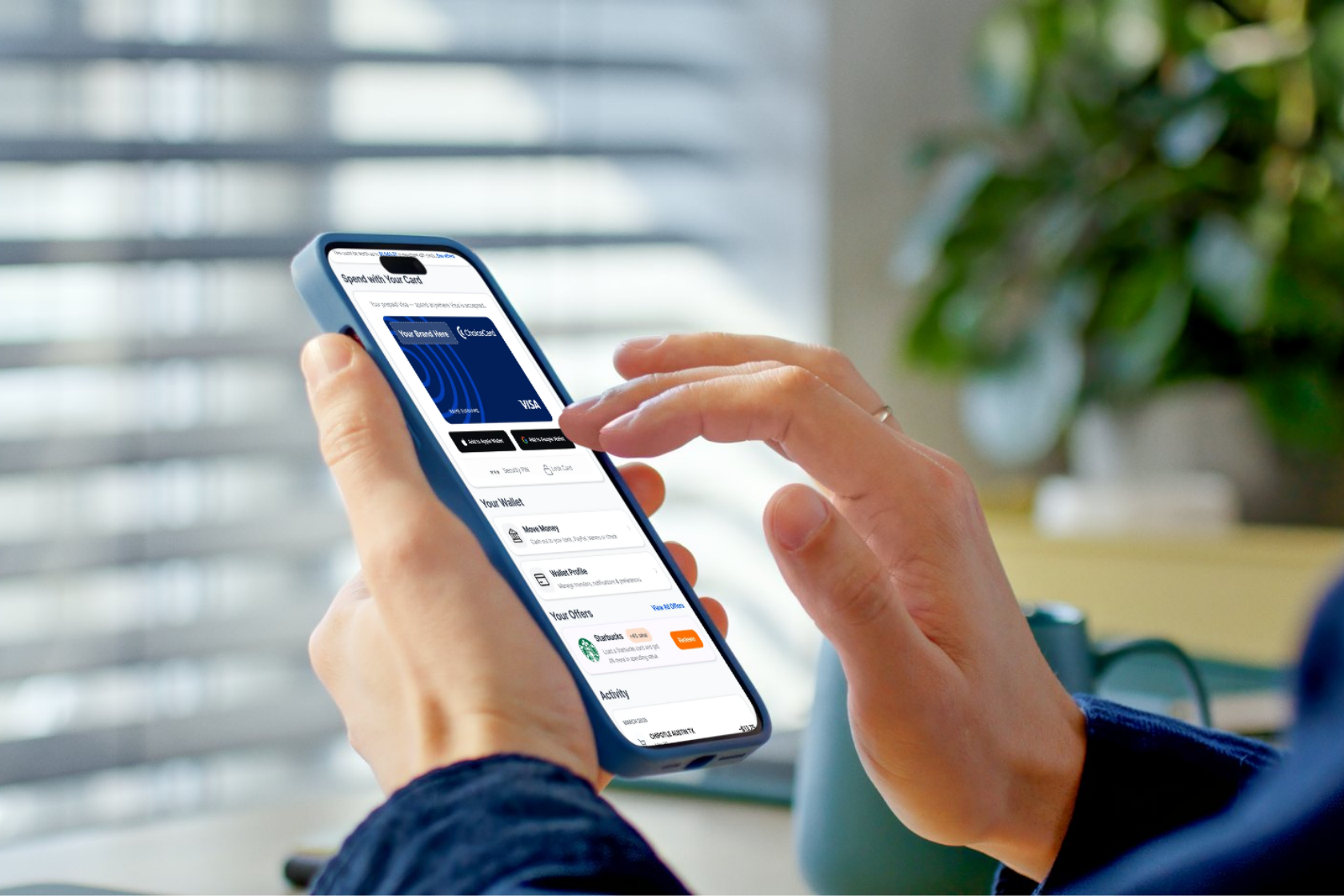
A branded digital wallet holds a recipient's payouts in one place across many payments, so a program that pays the same people repeatedly does not have to issue a new card or check each time. ChoiceWallet is Choice Digital's recurring payout wallet. Funds land in the wallet automatically; recipients spend them with a linked prepaid card or move them to a bank account, PayPal, Venmo, or check, and can set a standing preference so future payouts go straight to their chosen method. The wallet carries the program's brand and needs no app download. For programs running a reloadable prepaid card today, it is an alternative that keeps the card while giving recipients more ways to use their money.

What is a digital disbursement platform?

A digital disbursement platform — also called a payout platform, B2C payout platform, mass payout platform, or disbursement software, and in rewards programs an incentive payment platform — is the system an organization uses to send money to many recipients electronically and account for every payment afterward. A capable one does more than move money. It lets recipients choose how they get paid, tracks each payment from issued to claimed, supports recipients when something goes wrong, follows up on unclaimed funds, and keeps the records finance, audit, and compliance teams need. The difference between platforms is rarely whether money can be sent. It is what happens after.

What is the best digital disbursement platform?

The best digital disbursement platform is the one that gets the most payouts received and used, at the lowest total cost, with the compliance work handled. Judge any platform on seven things, starting with the ones recipients feel. The recipient experience: how easily a recipient recognizes a payment, claims it on a phone, and gets help when something goes wrong; the payout methods recipients can choose from; brandability and configurability, so every email, claim page, card, and wallet carries your brand, and methods, expiration, reminders, and fallbacks are set to fit each program and its recipients; how unclaimed payments are followed up; whether escheatment and 1099 reporting are performed for you or handed back; integration by file transfer as well as API; and transparency into the payout lifecycle, from issued to delivered, claimed, and used, by payout method. Choice Digital is built for regulated programs that need all seven.

What makes a good recipient payout or reward experience?

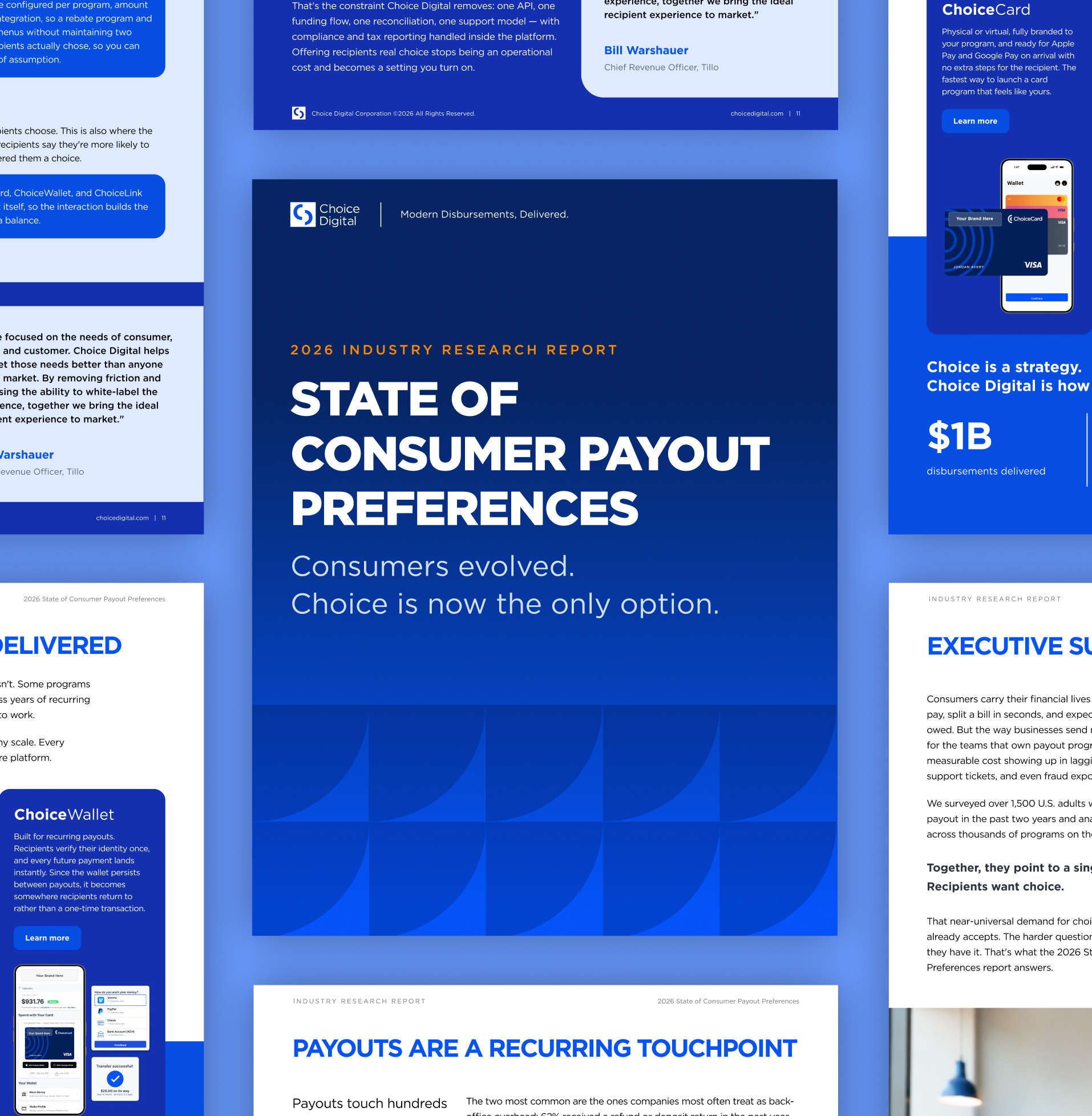
A good recipient payout experience is one where the person being paid knows the payment is real, claims it in a minute, and gets it the way they want it. Recipients judge the program by that moment: in Choice Digital's State of Consumer Payout Preferences 2026 (n = 1,567), 94% said payout choice is important and 72% said they are more likely to choose a company that offers their preferred method.

Five things separate a good experience from a frustrating one:

  1. Recognition. The email, claim page, and card carry the program's brand, so recipients know who is paying them and do not mistake a legitimate payment for spam.

  2. Choice. Recipients pick from the methods the program enables — prepaid card, PayPal, Venmo, bank transfer, gift card, or check — instead of receiving whatever the program defaulted to.

  3. Easy experience. One link, opened on a phone, with no app to download and no password to create. Choice Digital uses passwordless sign-in and email verification, so claiming takes a few taps while staying secure.

  4. Follow-up. Recipients who miss the first email get reminders, and those who still do not respond get another way to collect, such as a mailed letter with a claim code or a check.

  5. Real support. When an address changes or a payment is lost, someone answers. Choice Digital handles recipient payment support directly, and lost or stale-dated payments can be reissued quickly — next day in SOGC's program, compared with 60 to 90 days before.

For recurring programs, the experience continues after the first payout: ChoiceWallet keeps every payment in one branded place, and recipients can set a standing preference so future payouts go straight to their chosen method.

What is Choice Digital?

What does Choice Digital do?

Choice Digital helps regulated organizations pay people — rebates, royalties, settlement awards, refunds, incentives, and rewards — in the way each recipient prefers. Recipients choose how they get paid from the options a program enables, such as a branded prepaid card, PayPal, Venmo, bank transfer, a merchant gift card, or a paper check. Program teams get one platform to configure, approve, track, support, and reconcile every payout, with compliance workflows like 1099 reporting and unclaimed-property handling built in.

Which industries use Choice Digital?

Choice Digital is built for regulated organizations that pay large numbers of people and need a compliant, recipient-friendly experience. That includes energy and utilities (efficiency rebates, demand response incentives, deposit refunds), oil and gas (royalty payments to mineral owners), class action and settlement administration, disaster relief and aid, government services, incentive and promotion programs (loyalty, employee recognition, wellness, and channel incentives), fleet and contractor payments, and market research honoraria.

What is the difference between Choice Suite and Choice Platform?

The difference between Choice Suite and Choice Platform is who uses each one. Choice Suite is what the recipient experiences; Choice Platform is what the program team runs. The Suite includes four products: ChoiceLink, where recipients choose their payout method; ChoiceCard, a branded prepaid card; ChoiceWallet, a reloadable digital wallet for recurring payouts; and ChoiceDirect, for single-method fulfillment when the preferred method is already known. Choice Platform sits beneath them, handling program configuration, permissions and approval workflows, reporting, recipient support tools, compliance workflows, and integration.

How is Choice Digital different from other payout providers?

Choice Digital is different from other payout providers in what it counts as success. Most payout providers measure success when a payment is sent. Choice Digital measures it when a payment is received and usable. That shows up in three ways. Recipients choose their own method, which removes the most common reason payouts go unclaimed. The platform follows up on unclaimed payouts with reminders and fallback options instead of letting them expire quietly. And every Choice Digital product is built to be used and enjoyed, with as much friction as possible removed from redemption and use, so funds go where they are supposed to.

What unique features does Choice Digital offer that others don't?

Choice Digital pairs its payout platform with white-glove service from a dedicated team, so programs get the technology and the people to run it well. Each client works with a dedicated team that helps design the program, set payout methods, branding, and reminder rules. After launch, Choice Digital handles recipient payment support directly: when an address changes or a payment is lost, recipients reach someone who can fix it, and reissues can happen as soon as the next day. Compliance work is built in rather than handed back, with unclaimed-payment follow-up, escheatment workflows, and 1099 reporting part of the service.

What capabilities are only available in Choice Digital?

Choice Digital brings together, on one platform, capabilities that programs often source from several providers. ChoiceLink lets recipients choose their payout method, ChoiceCard delivers a branded prepaid card, ChoiceWallet holds recurring payouts in one branded place, and ChoiceDirect fulfills a single known method. Your brand carries through every email, claim page, and card, including when a card is added to a mobile wallet. Programs connect by API or file transfer and track each payout from issued to claimed and used. Choice Digital earns no revenue on unredeemed funds, so its incentive is the same as yours: every payout received and used. That focus comes from years serving regulated programs in utilities, oil and gas, settlements, and relief.


Digital payouts by industry

What should a utility rebate disbursement platform do?

A utility rebate disbursement platform should give customers a choice of how they are paid, in an experience branded to the utility. Utility customers split almost evenly across payout preferences, so a check-only or bill-credit-only rebate program serves a minority well. A digital rebate program lets customers choose a prepaid card, PayPal, Venmo, or bank transfer, keeps a check for those who want it, and ties the payment visibly to the utility's program. Choice Digital supports energy efficiency rebates, utility incentive payments, demand response incentives, and customer deposit refunds for investor-owned utilities, cooperatives, and the program implementers that run them.

How do you pay class action settlements digitally?

To pay class action settlements digitally, send each class member a secure claim link and let them choose how they are paid. Settlement administrators can offer virtual prepaid cards, PayPal, Venmo, bank transfer, and paper check in one distribution, with reminders and mailed fallbacks for class members who do not respond. Funds tied to expired claim links return to the settlement fund, and reporting on issued, claimed, returned, and expired payments goes to the claims administrator and special master.

How do oil and gas operators pay royalty owners electronically?

Oil and gas operators pay royalty owners electronically by connecting revenue accounting to a payout platform that lets each owner choose their method. The operator sends one payment file; owners receive a prepaid card, digital wallet, direct deposit, or check, with automated notifications that cut "where's my check?" calls. Digitizing royalty payments also reduces escheatment exposure, because fewer checks go uncashed or to stale addresses. SOGC moved more than 9,000 owners this way, with more than four in five paid electronically within two revenue cycles.

What is the best way to send rewards and incentive payouts?

The best way to send rewards and incentive payouts is to let recipients choose a reward they will actually use. Loyalty rewards, employee recognition, wellness incentives, sales and channel incentives, and research participant payments perform best when the reward is easy to claim and easy to spend. Choice Digital delivers branded prepaid cards, merchant gift cards, PayPal, Venmo, and bank transfers through one claim experience, with a reloadable wallet for recurring incentive programs.

How should insurers pay claims to policyholders?

Insurers should pay claims by giving policyholders a choice of how they receive their claim payment instead of defaulting to a mailed check. A claim payout delivered by prepaid card, PayPal, Venmo, or bank transfer reaches the claimant sooner, and a payout link lets the claimant choose without the insurer collecting bank details up front. The same platform tracks every claim payment from issued to claimed, reissues lost payments, and keeps the audit record claims and compliance teams need.

How do you send disaster relief payments quickly?

The fastest way to send disaster relief payments is to deliver them digitally and let each recipient choose how to receive the money. After a disaster, people may be displaced, without mail service, or unable to reach a bank branch, so a mailed check can arrive late or not at all. A payout link sent by email lets a recipient claim relief funds from a phone and pick a virtual prepaid card for immediate spending, PayPal, Venmo, or a bank transfer. The program sees which payments have been claimed and can follow up with reminders or a fallback for anyone who has not.

What is the best way to pay driver rewards and fleet incentives?

The best way to pay driver rewards and fleet incentives is to deliver them as soon as they are earned, in a branded form drivers will use. Safety bonuses, retention incentives, referral rewards, and milestone awards keep drivers engaged only when the reward arrives close to the behavior it recognizes. A branded prepaid card or payout link puts the fleet's name on every reward, and a ChoiceWallet can hold recurring incentives in one place for drivers on the road. Choice Digital also supports contractor and owner-operator pay through ChoiceDirect when the payment method is already known.


Designing a payout program

Do recipients really want a choice in how they get paid?

Yes, recipients really do want a choice in how they get paid. In Choice Digital's State of Consumer Payout Preferences 2026, 94% of consumers said a choice of payout method is important, and 72% said they are more likely to choose a company that offers their preferred method. Choice is not a nice-to-have feature for a small group. It is the expectation of almost everyone a program pays.

Which payout method do recipients prefer?

No single payout method is preferred by most recipients, and that is the point. When Choice Digital surveyed utility customers, preferences split almost evenly: 25% preferred a bill credit, 24% PayPal or Venmo, 24% a prepaid card, 20% a paper check, and 7% a gift card. No method won a third of the vote. A program that offers only one method is choosing the preference of a minority on behalf of everyone else.

If we offer digital payout options, will recipients actually use them?

Yes, recipients use digital payout options quickly once they are offered. When SOGC gave more than 9,000 royalty owners a choice, more than four in five were being paid electronically within two revenue cycles. Across Choice Digital programs that offer meaningful choice, digital selection can exceed 90%. The adoption problem with digital payouts is usually not recipient reluctance. It is a program that never offered the option.

How do we replace paper checks with digital payments?

To replace paper checks with digital payments, offer digital methods alongside the check, not instead of it, and let recipients move themselves. Programs that make choice the default see most recipients pick a digital method quickly, while a check stays available for those who prefer it or have no practical alternative. Choice Digital can also use a mailed option as a fallback for recipients who do not respond to digital notifications. The goal is to retire the check run, not the last check.

Do digital payouts work for small amounts?

Yes, digital payouts work well for small amounts. Oregon Trail Electric Cooperative issues prepaid cards for rebates as small as $10, which means members see and recognize even small program benefits instead of losing them as a line item on a bill. Small payouts are where paper checks make the least sense, because the cost of issuing the check can approach the value of the payment itself.

What does a paper check actually cost?

A paper check actually costs far more than the stamp. Printing, postage, and bank fees are the visible layer; underneath sit approvals, reconciliation, reissues, returned-mail research, recipient support calls, and unclaimed-property tracking. SOGC put the cost of a single check at more than $8. OTEC estimated $25 per check once internal processing and audit controls were included.

How fast do payout recipients get their money?

How fast recipients get their money depends on the payout method they choose. Digital prepaid cards and merchant gift cards are typically delivered within minutes. PayPal and Venmo transfers typically complete within one business day. Bank transfers typically take one to three business days. Paper checks are typically mailed within one business day, then subject to mail transit, which can take more than two weeks. Timing also depends on when a program approves and funds a payout.

How brandable are Choice Digital payouts?

Choice Digital payouts carry your program's brand end to end. Notifications, claim pages, digital wallets, and physical and virtual cards all carry your brand, and the branding holds when a card is added to a mobile wallet. For recipients, a recognizable brand is how they know a payment is legitimate. For programs, it is how a payment reinforces the relationship instead of disappearing into it.

How configurable are Choice Digital payouts?

Choice Digital payouts are configured per program, so each payout fits the program it belongs to and the people it pays. Each program sets which payout methods recipients see, how long claim links and cards stay valid, when reminders go out, what fallback a non-responsive recipient receives, and who on your team can create, approve, and release payouts. A utility can run a rebate program with prepaid cards and checks alongside a demand response program with PayPal and bank transfer, each with its own look, rules, and reporting, on one platform.

Does Choice Digital have a payout API, or can we send payouts by file?

Yes, Choice Digital has a payout API, and you can also send payouts by file. Choice Platform offers a payout API for programs that want to automate disbursements from their own systems, plus secure file transfer (FTP or SFTP), bulk upload in the portal, and single orders. Many production programs run on file transfer, and it carries the same approvals, tracking, and reporting as the API. One integration reaches every payout method the program enables, so a team does not need separate vendors for prepaid cards, ACH, PayPal, and checks.


Unclaimed funds, escheatment, and fees

What is escheatment for disbursements and incentives? 

Escheatment for disbursements and incentives is the process of reporting and remitting unclaimed payments to the state after they go unclaimed for a set dormancy period. Uncashed rebate and royalty checks, unclaimed settlement awards, and unused prepaid card balances can all become unclaimed property. Before remitting, the holder must make a good-faith effort to reach the owner, called due diligence outreach, and then file a report with the state. Dormancy periods, deadlines, and thresholds vary by state and property type, so a program paying recipients in many states has to track each one. The most effective way to reduce escheatment is to get more payouts claimed in the first place.

Why do payments go unclaimed, and how does that create escheatment risk?

Payments go unclaimed for ordinary reasons, and most unclaimed payouts are not refusals. They are checks mailed to stale addresses, payment methods recipients did not want, notifications that looked like spam, and claim steps that were harder than they needed to be. Each one can turn money a program owes into an unfulfilled promise to a consumer, and into unclaimed property it has to track, report, and eventually remit to the state. Reducing unclaimed funds starts with the recipient experience and the payout mix, not with year-end reporting.

How do you reduce unclaimed payments?

You reduce unclaimed payments by designing for the payment to be received, not just sent. Recipients choose their own method, so fewer payouts land somewhere they will not be used. Branded notifications help recipients recognize a legitimate payment. The platform sends multiple reminders to recipients who have not claimed their funds. And when a digital payout still goes unclaimed, Choice Digital can deliver a fallback — such as a mailed letter with a secure QR code and claim link, or a paper check — so the recipient gets another way to collect.

Are there fees on prepaid cards?

Some prepaid cards carry cardholder fees, and any fees are disclosed in the cardholder terms before a recipient claims their funds. Where a fee applies to a long-dormant balance, it exists to cover the cost of managing that balance under unclaimed-property law and card regulations. Fees are configurable by program to ensure the right design for your business. Ask us for the fee schedule that applies to your program.

What compliance requirements apply to prepaid card disbursements?

Prepaid card disbursements carry more compliance requirements than most programs expect. A prepaid card disbursement program involves the issuing bank's requirements, cardholder terms and fee disclosures the recipient sees before claiming, sanctions screening where the program requires it, unclaimed-property rules for balances left unused, and record keeping for audit. Choice Digital runs prepaid programs with an issuing bank partner, presents cardholder terms before funds are claimed, and manages escheatment of unused balances. Requirements differ by program type and state, so confirm which apply to yours before launch.

Who is responsible for escheatment when a vendor sends the payment?

When a vendor sends the payment, the organization that owed the money usually remains responsible for escheatment as the holder of record, unless the contract explicitly moves that obligation. A vendor can perform every operational step of escheatment without becoming the holder. That is why the useful question for any vendor is not "do you handle escheatment?" but "which steps do you perform, and what does our agreement say about holder status?" Choice Digital settles that in the contract rather than leaving it assumed.

Does Choice Digital provide escheatment and unclaimed property services?

Yes, Choice Digital provides escheatment and unclaimed property services, run as a process rather than a year-end report. Choice Digital tracks dormancy against each state's rules, performs due diligence outreach to recipients, prepares state filings, and remits funds. Dormancy periods, filing deadlines, and thresholds vary by state, property type, and year, so the workflow is configured to the program and the states its recipients live in.


Tax reporting, audit, and controls

Does Choice Digital handle 1099 reporting for rebates, incentives, and settlements?

Yes, Choice Digital handles 1099 reporting: Choice Platform generates 1099s for reportable rebates, incentives, and settlements and maintains the supporting records. Deciding whether a payment is reportable — and how it is classified — remains with the organization that owed the payment. That split is worth confirming with any vendor: a platform that produces your 1099s is not the same as a platform that is responsible for your tax position.

What is the 1099 reporting threshold for 2026?

The federal 1099 reporting threshold for 2026 is $2,000. Under the One Big Beautiful Bill Act, the federal reporting threshold for Forms 1099-NEC and 1099-MISC rose from $600 to $2,000 for payments made on or after January 1, 2026, with inflation indexing beginning in 2027. Royalties are the major exception: they remain reportable at $10 on Form 1099-MISC, which matters for oil and gas operators. Some states may keep their own thresholds, so programs paying recipients in several states should confirm how their vendor aggregates and reports.

What payment status can we see?

You can see payment status for every payout, per method, because payout methods differ in how far they can report. A bank transfer can confirm settlement and nothing after it; a prepaid card can confirm activation and aggregate portfolio spending trends. Choice Platform tracks the stages each method supports — such as issued, delivered, or returned — and states where a method cannot report further instead of filling the gap with a single status model.

How do approvals and permissions work?

Approvals and permissions in Choice Platform work through role-based permissions and configurable approval workflows, so the people who create a payout file are not necessarily the people who approve or release it. Programs set who can create, modify, approve, and fund payouts, and the same controls apply to exceptions and reissues — which is where payout controls most often fail.

How does Choice Digital prevent fraud in digital disbursements?

Choice Digital prevents fraud in digital disbursements with layered controls designed to make sure the intended recipient is the only person who can claim a payout. Claim links can require two-factor email authentication, recipient bank details are collected and validated through a secure third-party service rather than typed into an email, and programs can apply recipient screening where their rules require it. Payout activity is monitored, and fraud management outcomes are visible in program reporting.

Does Choice Digital screen payouts against OFAC sanctions lists?

Yes, Choice Digital screens payouts against sanctions lists, including OFAC, as part of its compliance controls, which is why programs pass at least each recipient's name with a payout. Screening is built into the payout workflow rather than left to the program to run separately, and the result is part of the payout record.


Examples of check-to-digital payout programs

What are examples of companies moving from paper checks to digital payouts?

Examples of companies moving from paper checks to digital payouts include an oil and gas operator paying royalty owners, a large gas utility paying energy efficiency rebates, electric cooperatives paying member rebates and contractor incentives, and utility program partners fulfilling incentives for their clients. In each case, recipients were given a choice of digital methods with a check still available, and most chose digital. The examples below show what changed and what it delivered.

What is an example of moving royalty payments from paper checks to digital?

One example of moving royalty payments from paper checks to digital is SOGC, an upstream oil and gas operator that pays more than 9,000 royalty owners beneath Big Spring, Texas. Its two-person mail room was printing and mailing 1,500 to 2,000 checks every month, and a lost check could leave an owner waiting 60 to 90 days. SOGC moved payments to Choice Digital on a workflow connected to its Enertia ERP and the ConnectVNA owner portal, giving owners five ways to get paid. Within two revenue cycles, more than four in five owners were paid electronically, more than 1,500 monthly checks were eliminated, the team saved more than 100 hours a month, and lost or stale-dated payments now reissue the next day. Read the SOGC case study.

What is an example of an electric co-op replacing rebate checks and bill credits?

One example of an electric co-op replacing rebate checks and bill credits is Oregon Trail Electric Cooperative (OTEC), which replaced most rebate checks and bill credits with a choice of physical or virtual prepaid cards. OTEC estimated each check cost $25 to issue once manual processing and audit controls were counted. With Choice Digital, payments are submitted through the portal, reviewed, approved, and issued with configurable permissions and a clear audit trail. OTEC now issues rebates as small as $10 and has extended the program to member contests, promotions, and community initiatives. Read the OTEC case study.

What is an example of a utility switching rebate checks to prepaid cards?

One example of a utility switching rebate checks to prepaid cards is Southern California Gas Company, the nation's largest natural gas distribution utility, which delivered energy efficiency rebates and incentives mainly by paper check. Customers waited on the mail, some lacked reliable banking access, and high check volumes meant labor-intensive processing and follow-up. SoCalGas moved incentive delivery to Choice Digital, giving customers a choice of digital or physical prepaid cards, digital wallet options, and a check when needed, all in a fully branded experience with centralized tracking and a complete audit trail. 81% of customers chose a prepaid card, and about 50,000 paper checks a year were eliminated.

"We did this to improve the customer experience, doing things faster, better, cheaper, but with an emphasis on faster and better," said Darren Hanway, Manager of Energy Programs & Strategy at SoCalGas. Read the SoCalGas case study.

What is an example of paying contractor incentives with branded prepaid cards?

One example of paying contractor incentives with branded prepaid cards is Beltrami Electric Cooperative, which paid incentives to local contractors who installed off-peak electric heating, but contractors often didn't connect the payment to the co-op. Beltrami switched to co-branded prepaid incentive cards carrying the co-op's logo and a message explaining the program. Contractors became more aware of the co-op's programs, and off-peak heating installs became more attractive to them. "We were delivering rewards, but not recognition," the Beltrami team said. A branded incentive card program turns a payment into a reason to come back. Read the Beltrami Electric case study.

What is an example of a utility platform delivering rewards and incentives digitally?

One example of a utility platform delivering rewards and incentives digitally is Uplight, whose customer engagement and enrollment platform serves nearly 80 utilities in North America. Uplight uses Choice Digital to fulfill its clients' reward and incentive payments. Recipients get multiple redemption options, reminder emails, and fallback cards, and utilities get reporting on who received their incentive, how much, and how many times Choice Digital followed up. "They think about ways to make sure that those dollars end up in the customers' pockets," said Laura Tajima, Uplight's Senior Director of Strategic Partnerships. When something goes wrong, Choice Digital provides the root cause analysis utilities need to report back. Read the Uplight case study.

What is an example of a program implementer offering payout choice on rebates?

One example of a program implementer offering payout choice on rebates is Franklin Energy, a leading implementer of utility energy efficiency programs, which uses Choice Digital as its payment fulfillment partner. Where Franklin once paid contractors and customers by check only, contractors can now choose ACH or check, and customers can choose an instant virtual prepaid card, a physical prepaid card, PayPal, Venmo, or a check. Franklin now writes payout choice into its program proposals, and its teams can stop and reissue a payment from the portal when a customer moves. "I am telling other implementers that they should consider them," said Jay Boettcher, Senior Director of Enterprise Optimization. Read the Franklin Energy case study.

What do successful check-to-digital payout programs have in common?

Successful check-to-digital payout programs have three things in common. Each gave recipients a real choice instead of a single default method, and most recipients picked a digital option when they could. Each put the program's brand on the payment, so recipients knew who paid them. And each moved the work of issuing, supporting, and following up on payments off its own team, which is where most of the time and cost savings came from.


Buying and evaluation

How is Choice Digital priced?

Choice Digital pricing is built from the cost of delivering your program, not from what the market will bear. Prepaid products are priced on a cost-plus basis, and settlement programs can be priced per use — paying for issuance and for payouts recipients actually claim. Talk with our team for pricing based on your program's volume, payout mix, and methods.

Are there limits on how much a recipient can receive?

Yes, there are limits on how much a recipient can receive, and they depend on the payout method. Bank transfers support large payouts; PayPal and Venmo carry per-transaction limits set by those networks; and reloadable prepaid cards carry load limits set with the issuing bank, which can be raised for programs that need them. Choice Digital will work with you to design a payout strategy that meets your program's needs.

Can Choice Digital run programs outside the United States?

Yes, Choice Digital can run programs outside the United States. It supports programs in Canada, including Interac as a payout option for Canadian recipients. Available methods depend on the country, the program, and the funding arrangement, so we confirm the exact coverage for your recipient population during program design.

Do you work with program administrators and platforms?

Yes, Choice Digital works with program administrators and platforms, and much of our business runs this way. Program administrators, utility program implementers, and incentive platforms embed Choice Digital to deliver payouts for the clients they serve. One integration reaches many client programs, the recipient experience carries the partner's or client's brand, and compliance workflows come off the partner's plate.

What should we ask any payout vendor before we sign?

Before you sign with any payout vendor, ask about seven areas that decide whether payouts are received, used, and defensible:

  1. Recipient experience: How does a recipient recognize, claim, and use a payment on a phone? Ask to walk through the claim flow yourself.

  2. Available payout options: Which methods can recipients choose from — prepaid card, PayPal, Venmo, bank transfer, gift card, check — and can each be turned on or off per program?

  3. Brandability: Can every email, claim page, card, and wallet carry your program's brand?

  4. Controls and workflows: Who can create, approve, and release payouts, and what approvals apply to exceptions and reissues?

  5. Auditability and transparency: Can you see each payout's status from issued to claimed and used, by method, and export a complete audit record?

  6. Security: Does the vendor hold current security attestations such as a SOC 2 report, and how is recipient and payment data protected?

  7. Support: What happens when a recipient loses a card, changes address, or never receives a payment — who answers, and how fast is it reissued?

See the full payout vendor requirements checklist.

How do we get started with Choice Digital?

The way to get started with Choice Digital is a payout assessment. We review the payouts you send today — volumes, methods, amounts, exception rates, and unclaimed funds — and show where recipient choice, follow-up, and platform controls would change the outcome. Request a payout assessment here.


Digital disbursement platform questions, answered

Choice Digital is the payout experience complex programs trust. Utilities, oil and gas operators, settlement administrators, disaster relief and aid organizations, government agencies, and incentive programs use Choice Digital's payout platform to deliver rebates, royalties, settlements, relief funds, and incentive payments the way recipients expect — with compliance and control built in.

If you are choosing a digital disbursement platform for rebates, royalties, settlements, refunds, or rewards, this is the place to start. The questions below are the ones program, finance, and compliance teams ask us most: what a modern payout program looks like, which payout methods recipients actually want, what happened when other organizations made the switch, and who owns escheatment, tax reporting, and audit records once a vendor is involved.

If you would rather talk it through, reach out to our team about your program.

More to read